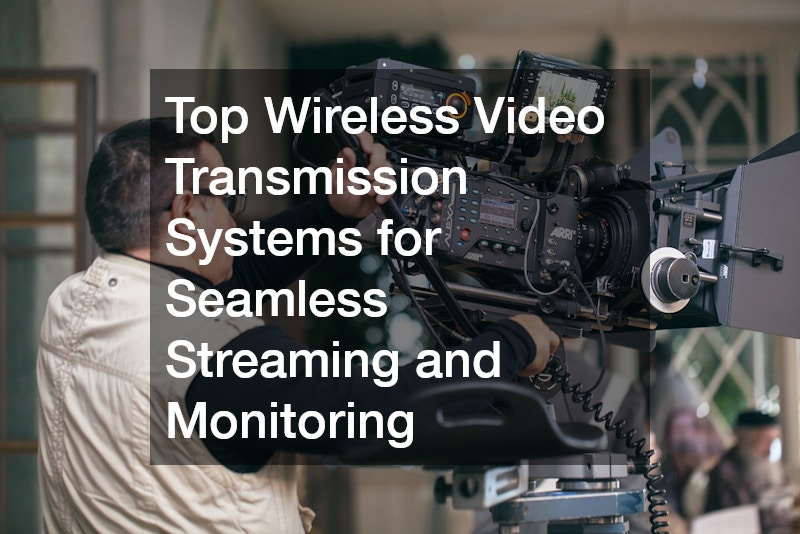

If you are exploring wireless video transmission systems, you are stepping into a world of convenience and advanced technology. These systems allow you to send high-quality video signals without the need for messy cables. Whether used for security, broadcasting, or live events, wireless video solutions are becoming more popular in both professional and everyday settings.
What Are Wireless Video Transmission Systems?
Wireless video transmission systems are devices that send video signals from one location to another without physical connections. Instead of cables, they use radio frequencies or Wi-Fi to transmit data.
How They Work
These systems typically include a transmitter and a receiver. The transmitter captures video from a camera and sends it wirelessly. The receiver then picks up the signal and displays it on a monitor or records it.
Where They Are Used
You can find wireless video systems in many industries, including film production, security surveillance, sports broadcasting, and even home entertainment.
Benefits of Wireless Video Technology
There are many reasons why people choose wireless video transmission systems over traditional wired setups.
Easy Setup
Without cables, installation becomes much simpler. This saves time and reduces clutter.
Greater Flexibility
Wireless systems allow cameras to move freely. This is especially helpful in dynamic environments like live events or outdoor shoots.
Clean and Organized Spaces
No cables mean fewer tripping hazards and a cleaner workspace.
Types of Wireless Video Transmission Systems
Different systems are designed for different needs. Understanding the types can help you choose the right one.
Consumer-Level Systems
These are designed for home use, such as streaming video from one room to another or setting up basic security cameras.
Professional Systems
Used in filmmaking and broadcasting, these systems offer higher quality, longer range, and lower latency.
Industrial Systems
These are built for tough environments like factories or construction sites. They are durable and reliable under harsh conditions.
Key Features to Consider
When choosing wireless video transmission systems, there are several important factors to keep in mind.
Range
How far the signal can travel is crucial. Some systems work within a single room, while others can cover long distances.
Video Quality
Look for systems that support high-definition or even 4K video, depending on your needs.
Latency
Low latency is important for real-time applications like live broadcasting or drone operation.
Interference Resistance
A good system should work well even in areas with many wireless signals.
Common Applications
Wireless video transmission systems are used in many different ways.
Security and Surveillance
They allow cameras to send live footage without needing wired connections, making them ideal for large properties.
Film and Television Production
Directors and crew can monitor footage in real time without being tied to cables.
Live Events
From concerts to sports, wireless video helps capture and share moments instantly.
Drones and Remote Devices
Wireless systems enable drones to send live video back to operators.
Tips for Getting the Best Performance
To make the most of your system, follow these simple tips.
Position Your Equipment Properly
Avoid placing transmitters and receivers behind thick walls or metal objects.
Keep Firmware Updated
Regular updates can improve performance and fix issues.
Test Before Use
Always test your system before important events to ensure everything works smoothly.
Challenges and Limitations
While wireless systems offer many benefits, they also come with some challenges.
Signal Interference
Other wireless devices can sometimes interfere with your signal.
Limited Range
Some systems may not work well over long distances without additional equipment.
Battery Life
Portable systems rely on batteries, which need to be monitored and recharged.
Future Trends in Wireless Video
Technology continues to improve, making wireless video transmission systems even more powerful.
5G Integration
Faster networks will allow for higher quality video with less delay.
Improved Compression
Better compression technology will make it easier to transmit high-resolution video.
Smarter Systems
AI-powered systems may soon optimize signal strength and quality automatically.
Final Thoughts
Choosing the right wireless video transmission systems can greatly improve how you capture, share, and monitor video. With the right setup, you can enjoy flexibility, high-quality performance, and a cleaner workspace. As technology continues to advance, these systems will become even more reliable and essential across many industries.