
Understanding the role and importance of intrinsically safe barriers is crucial for ensuring safety in hazardous environments. This article explores what these barriers do, their components, applications, and much more to provide a comprehensive view.
What is an Intrinsically Safe Barrier?
Intrinsically safe barriers are devices designed to prevent the release of sufficient energy that can ignite flammable gases, dust, or fibers commonly found in hazardous environments. These barriers are engineered to limit the electrical energy or thermal energy in wiring and connected devices to safe levels under both normal and fault conditions.
A typical intrinsically safe barrier consists of a combination of resistors, diodes, and fuses that control the amount of electrical energy that could potentially cause ignition. The design ensures that, even in the case of a short circuit or other failure modes, the energy entailed is insufficient to ignite surrounding flammable materials. By utilizing intrinsically safe barriers, the risk of explosion or fire in sensitive operation areas is significantly minimized.
The construction and function of intrinsically safe barriers derive from the principles of intrinsic safety, a protection technique used in hazardous locations. This technique is foundational in environments such as petrochemical industries, mining operations, and areas with volatile chemical reactions. Intrinsic safety emphasizes preventing potentially hazardous electrical and thermal energies from reaching levels that could cause ignition or combustion. By incorporating these barriers, industries are not only adhering to stringent safety protocols, but they are also ensuring smoother operational workflows and reduced downtime due to accidents. Furthermore, these barriers are typically required to meet international safety standards, ensuring cross-border compliance.
A critical aspect of intrinsically safe barriers is their ability to maintain system functionality while ensuring safety. This is achieved through engineering controls that isolate potential ignition sources without hindering system operations. By doing so, intrinsically safe barriers allow for the use and maintenance of electrical devices within hazardous areas where other forms of protection might fail. The barriers are particularly beneficial because they can be used with standard instrumentation and devices in potentially explosive atmospheres, providing a balance between operational efficiency and safety. This elegant integration of safety with utility makes intrinsically safe barriers a preferred choice in many high-risk environments.
Why are Intrinsically Safe Barriers Important?
Intrinsically safe barriers are crucial in hazardous environments because they act as a frontline defense against potential ignition sources. Their importance cannot be overstated given their role in protecting personnel, equipment, and infrastructure from catastrophic incidents. In environments laden with explosive gases or dusts, even small sparks can trigger significant safety threats, making energy control imperative. Consequently, intrinsically safe barriers are incorporated into safety protocols and engineering designs to mitigate such risks effectively. Their ability to contain and manage electrical energy ensures that operations continue without the looming threat of explosive reactions.
The adoption of intrinsically safe barriers across various industries speaks volumes about their reliability and significance. Not only do they provide peace of mind, but they also ensure that businesses abide by stringent regulatory requirements aimed at minimizing hazards. For regulatory bodies, compliance with intrinsic safety standards forms a critical aspect of occupational safety evaluations. This not only enhances workplace safety culture but also fosters trust among employees and stakeholders. By employing these barriers, businesses demonstrate their commitment to upholding the highest standards of safety and operational integrity.
Moreover, the economic benefits of using intrinsically safe barriers are substantial. By preventing accidents and ensuring smoother operations, industries can save significantly on insurance costs, legal liabilities, and production downtimes. Furthermore, preserving equipment life through controlled energy flow reduces capital expenses on replacements and repairs. As such, intrinsically safe barriers provide a dual advantage—protecting human life and optimizing business operations. In an era where safety and efficiency are intertwined, these barriers are an indispensable component of modern industrial processes.
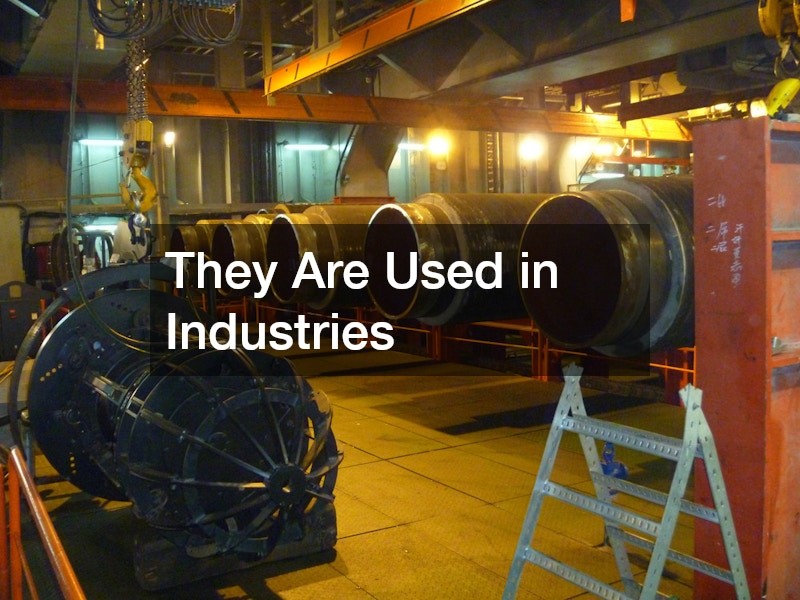
How are Intrinsically Safe Barriers Used in Industries?
The application of intrinsically safe barriers spans various industries, from oil and gas to pharmaceutical manufacturing. In the oil and gas sector, these barriers are pivotal in areas prone to explosive atmospheres, such as drilling rigs and refineries. They allow for safe monitoring and control of process variables such as pressure, temperature, and flow, using electronic instruments without risking ignition. This is achieved by ensuring that the energy within the circuit does not exceed the levels that could ignite the atmosphere. The integration of these barriers is thus a key component of the safety systems in oil and gas operations.
In the chemical and pharmaceutical industries, the use of intrinsically safe barriers is equally vital. Here, laboratory settings and production lines often involve volatile substances requiring precise and safe handling. The barriers enable workers to utilize electronic devices such as detectors, analyzers, and communication tools without the fear of initiating combustion. This not only ensures the protection of personnel but also safeguards the integrity of products being handled. By facilitating the seamless operation of sensitive equipment, intrinsically safe barriers support the complex processes intrinsic to chemical manufacturing and medicinal preparations.
Mining operations present another domain where intrinsic safety is critical. Mines are often filled with dust and gas that pose severe explosion risks. Intrinsically safe barriers allow the deployment of mining equipment equipped with electronic control systems within these risky zones. They safeguard the lives of miners by preventing any electrical fault from triggering a hazardous event. The protective measures embed technology into the very fabric of mining operations, ensuring that extraction and processing activities proceed with a reduced threat level. Across industries, these barriers play a critical role in enabling technology while protecting human lives and the environment.
What are the Challenges in Implementing Intrinsically Safe Barriers?
Despite their effectiveness, implementing intrinsically safe barriers comes with its own set of challenges. The initial challenge lies in the complexities associated with their design and integration within existing systems. To effectively protect against ignition, these barriers must be precisely engineered to control the specific electrical parameters associated with diverse devices and systems. This requires a deep understanding of both the operational environment and the potential hazards involved. Additionally, incorrect installation or maintenance can ironically lead to safety breaches, defeating their intended purpose, underscoring the need for skilled handling and oversight.
Another significant challenge is related to cost and resource allocation. The initial investment required for procuring and installing intrinsically safe barriers can be substantial, especially for small to medium-sized enterprises. Furthermore, ensuring ongoing compliance with stringent safety standards requires continuous training of personnel and regular audits. Companies must balance these costs against potential risk reductions and savings from avoided incidents. Navigating these financial dynamics becomes crucial for businesses looking to operate safely within hazardous environments. Ultimately, thorough cost-benefit analyses help ensure that safety investments align with operational needs and financial constraints.
Finally, staying abreast of evolving safety standards and technological advancements poses an ongoing challenge. As technology progresses, so do the tactics of implementing safety measures, necessitating regular updates and upgrades to existing systems. Intrinsically safe barriers must be adaptable to new industry requirements and technologies, which can often be a moving target. Doing so can require significant re-evaluation and adjustment of existing safety protocols and equipment compatibility. Keeping pace with these changes is vital to maintain robust safety measures that are compliant with current regulations, safeguarding both personnel and operational viability.
How to Select the Right Intrinsically Safe Barrier?
Selecting the right intrinsically safe barrier involves a meticulous assessment of both the environment and operational requirements. The first step is to conduct a detailed hazard and risk evaluation to identify the specific sources of ignition and the potential levels of energy present. This assessment will guide the specification of the barrier, which must be appropriately rated to handle the worst-case scenarios identified. Engineering teams must consider factors such as voltage, current, and ambient conditions that might affect barrier performance. The selection process thus hinges on tailoring solutions that address specific safety needs while aligning with operational demands.
Beyond technical specifications, attention must also be placed on compatibility with existing systems and processes. Intrinsically safe barriers should seamlessly integrate with current equipment and instrumentation without necessitating significant changes or causing disruptions. Compatibility extends to adherence with industry safety standards, ensuring that the chosen barriers align with compliance requirements and maintain operational certifications. As such, engaging with manufacturers or vendors knowledgeable in both the barriers and the working conditions is essential in selecting the most suitable and compliant option. Collaborating with experts can significantly streamline the selection and implementation process.
Furthermore, long-term support and maintenance considerations are vital in the selection process. The best intrinsically safe barriers are those backed by reliable support services, including training, regular maintenance checks, and updates as required. Evaluating the life-cycle costs, including initial purchase, installation, and ongoing operational expenses, gives a complete picture of the investment. Businesses must also consider the scalability of the barriers to accommodate potential expansions or shifts in operational scope. By doing so, organizations can ensure that their investment in intrinsically safe barriers not only meets current safety requirements but is also sustainable and adaptable to future needs.
Intrinsically safe barriers play a vital role in protecting environments where explosive atmospheres may be present. Their proper selection, implementation, and maintenance are crucial to ensure operational safety and compliance with regulatory standards.